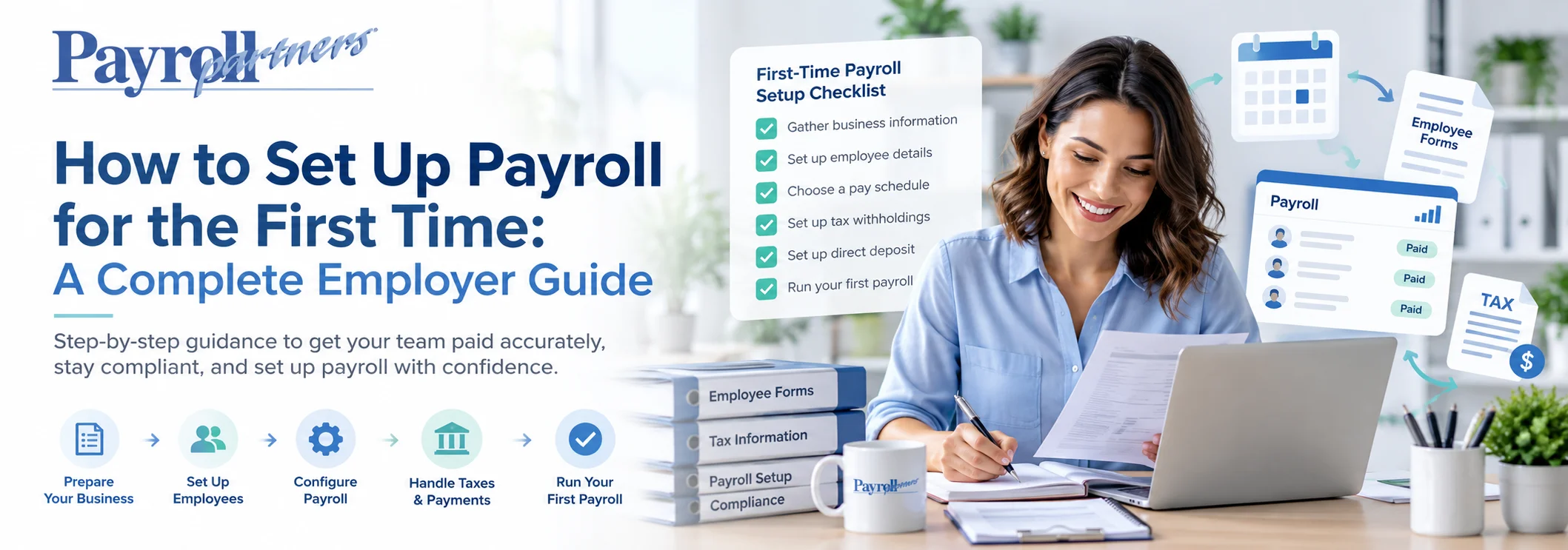



Labor Day is a good opportunity for businesses to recognize their employees and review how effectively they manage payroll. It’s time for businesses to review their payroll systems, personnel records, tax filings, time tracking, payroll costs, and compliance procedures. Reviewing these areas can help spot inefficiencies, reduce payroll errors, and make the payroll process smoother for employees and businesses.
Payroll directly impacts both businesses and employees. Labor Day is a time to honor the hard work and accomplishments of workers across the nation. It’s a vital reminder for employers of how crucial people are to a firm’s success.
Payroll is more than just calculating wages and issuing paychecks. As a business owner, you need to track employee information, hours worked, deductions, payroll taxes, direct deposits, tax filings, year-end forms, and other payroll management-related tasks. As Labor Day approaches, it’s a good time for companies of all sizes to review their payroll procedures and find ways to make payroll more accurate, efficient, and manageable.
- Review Your Payroll Process
- Check Employee Information & Records
- Make Payroll Tax Compliance a Priority
- Review Time & Attendance
- Look for Opportunities to Improve Payroll Efficiency
- Consider Outsourcing Payroll
- Choose Payroll Solutions That Scale With Your Business
- How Payroll Partners Can Help
- Strengthen Your Payroll Process
- Frequently Asked Questions
- External Research & Authority Sources
1. Review Your Payroll Process
A good payroll process ensures payments are accurate and on time while keeping employee and employer information organized. Labor Day is a nice checkpoint to assess how payroll is handled today. You have to question yourself:
- Are employees consistently paid on time?
- Are payroll calculations accurate?
- Are deductions being handled correctly?
- Are payroll reports easy to access?
- Are payroll tax filings being completed on time?
- How much time does your team spend processing payroll?
- Are payroll records organized and secure?
If payroll needs a lot of manual effort each pay period, there may be ways to streamline the process using improved systems or professional payroll services.
2. Check Employee Information & Records
Accurate employee data is crucial to efficient payroll processing. Review employee records to ensure that names, addresses, tax withholding information, compensation, deductions, and employment status are correct.
Businesses should ensure new personnel are added properly to payroll and that employee records are kept accurate. Keeping proper information helps minimize payroll errors and unnecessary administrative effort.
Employee self-service portals can also make it easier for workers to access pay stubs, tax paperwork, and other payroll information without calling payroll professionals for each request, which helps companies with large employee counts.
3. Make Payroll Tax Compliance a Priority
Payroll taxes are a big responsibility of running a business. Employers may be required to determine, withhold, report, and pay appropriate payroll taxes. They also must meet filing deadlines and provide employees with year-end tax forms.
Missing deadlines or submitting incorrect information can create unnecessary complications for a firm. That’s one reason many firms opt for a professional payroll service. Small business payroll services help you with payroll tax computations, filings, reporting, and other administrative duties.
Businesses should routinely review their payroll systems and work with certified professionals when they have issues with specific tax or compliance needs.
4. Review Time & Attendance
For companies that pay employees by the hour, accurate time and attendance tracking directly affects payroll accuracy. You must evaluate your business’s present performance:
- Regular working hours
- Overtime
- Paid time off
- Employee leave
- Breaks
- Attendance
- Different work locations or schedules
Manual time tracking might mean more labor and a greater chance of errors. Modern time and attendance systems offer organizations a more effective way to track employee hours and give payroll teams more precise information to work with when processing. Combining time tracking and payroll reduces duplicate data entry for growing firms.
5. Look for Opportunities to Improve Payroll Efficiency
Payroll shouldn’t take up more of your time and resources than it has to. Check how many steps there are in your existing payroll process. Think about where payroll information comes from—employees and management.
- How are payroll changes submitted?
- Manually? Do you enter hours more than once?
- Managers, do you have trouble approving timesheets?
- Do your employees constantly ask for copies of their pay stubs?
Understanding these constraints helps firms optimize their payroll workflow. Automation, employee self-service, direct payment, electronic reporting, and integrated timekeeping help reduce administrative work.
6. Consider Outsourcing Payroll
As a growing firm, payroll can get more complex. Small businesses may not have a payroll person on board. Mid-sized companies may have more employees, locations, deductions, and reporting requirements. Big companies could have even more complicated payroll demands.
Payroll outsourcing provides expert payroll services without all the in-house work. A payroll provider can take care of the following things:
- Payroll processing
- Direct deposit
- Payroll tax calculations
- Tax filings
- Employee pay statements
- Year-end W-2 and 1099 processing
- Payroll reports
- Employee self-service
- Time and attendance
Outsourcing payroll services allows business owners and internal teams to spend less time on administrative payroll procedures and more time on their primary responsibilities.
7. Choose Payroll Solutions That Scale With Your Business
As a growing business, your payroll demands can vary dramatically. If you are a small firm with a small crew, you may require a simple payroll solution. If you are a mid-sized firm, you may need a little more support for employee benefits, time tracking, reporting, and more sophisticated payroll obligations.
Bigger companies may need scalable payroll solutions that can accommodate a larger staff and more complex payroll operations. The right payroll solution should grow with your organization.
Whether you have a small team, a growing workforce, or hundreds of employees, finding a payroll partner that understands your business size and needs makes payroll easier to manage.
How Payroll Partners Can Assist
Payroll Partners offers tailored payroll services to small businesses, medium-sized enterprises, and large corporations. Our payroll services help businesses streamline payroll processing and provide reliable support for payroll administration and compliance.
Our comprehensive payroll services include payroll preparation, payroll tax returns, electronic tax filing and payment, direct deposit, paycheck processing, employee self-service, time and attendance systems, payroll reporting, and year-end forms. The aim is to build a payroll process that is accurate, efficient, secure, and easy to manage.
Strengthen Your Payroll Process
Labor Day is a time to recognize the employees who help businesses succeed every day. It is also an ideal time for companies to get a closer look at the systems that support their personnel.
Payroll is a crucial piece of that process. Accurate employee records, reliable time tracking, timely payments, correct tax filings, and efficient payroll systems lead to better experiences for employers and employees.
If you own a small business, manage a mid-sized corporation, or lead a large organization, reviewing your payroll process can reveal ways to make it more efficient and less administratively stressful.
Payroll Partners provides professional payroll services for businesses of all sizes, helping employers handle payroll processing, tax filings, employee payments, reporting, and other payroll-related tasks. Looking for a trustworthy payroll partner to ease your payroll process? Contact us today.
Why should businesses review their payroll process?
Regular payroll reviews can help identify errors, outdated employee information, inefficient processes, and potential compliance issues. Labor Day can serve as a convenient reminder for businesses to evaluate their payroll procedures.
What should businesses check when reviewing payroll?
Businesses should review employee information, payroll calculations, deductions, tax filings, payment methods, time and attendance records, reporting procedures, and year-end payroll requirements.
Is outsourcing payroll beneficial for small businesses?
Outsourcing payroll can help small businesses reduce administrative work and access professional payroll support without maintaining a dedicated internal payroll department. The right solution can also provide tools such as direct deposit, employee self-service, and payroll reporting.
Can payroll services support growing businesses?
Yes. Payroll services can be designed to accommodate businesses as their workforce and payroll requirements grow. Mid-sized and large businesses may need additional capabilities for reporting, time tracking, employee benefits, multiple locations, and more complex payroll processes.
What does a payroll service provider do?
A payroll service provider can manage various payroll responsibilities, including payroll processing, employee payments, payroll tax calculations and filings, payroll reporting, year-end forms, and employee self-service. Services vary by provider and business needs.