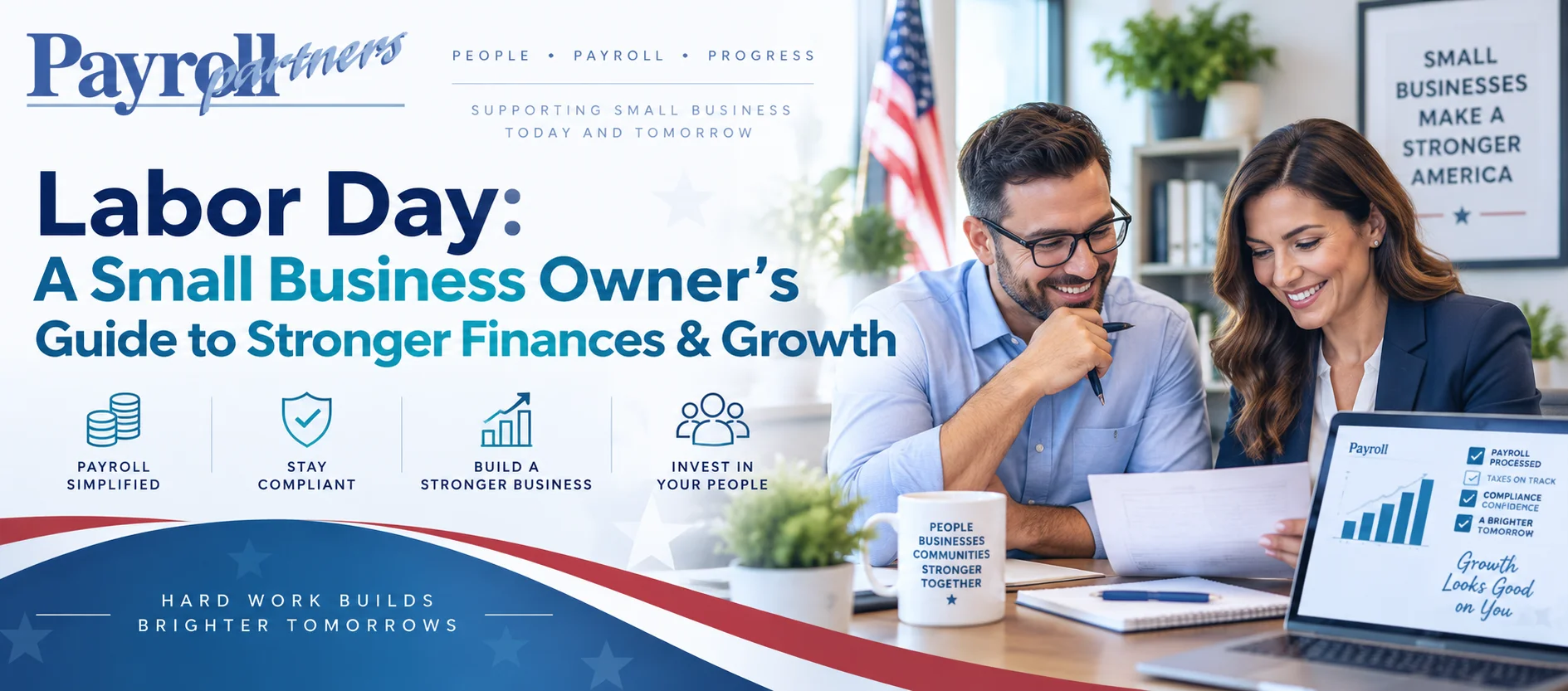



Payroll headaches are real. Small business owners often find themselves balancing customer service, operations, marketing, and more, all at once. This leaves little time or energy for the complexities of payroll management. While it might seem like a straightforward task, payday brings with it a host of responsibilities. When payday rolls around, it’s not just about cutting checks. There are accounting, bookkeeping, tax filings, deductions, compliance, and calculations that can leave even the most seasoned entrepreneur reaching for aspirin. That’s where outsourcing payroll for small businesses comes in. If you are running a business in Florida, this growing need hasn’t gone unnoticed.
Why smart companies in Florida are outsourcing payroll, and you should too.
What Payroll Processing Really Involves (Spoiler: It’s More Than Math)
Let’s break it down. Payroll processing for small businesses isn’t just entering hours into a spreadsheet.
It includes:
- Wages and tax withholdings are calculated accurately.
- Filing taxes and reporting on time.
- Staying updated with evolving labor regulations is crucial.
- Direct deposit management and paycheck distribution.
- Employee benefits and deductions tracking.
- Year-end reporting and W-2/1099 preparation.
Mess up any of these, and you are facing unhappy employees or a not-so-friendly IRS notice. That’s why the best payroll services for small businesses don’t just process. Instead, they protect.
Why Florida Businesses Are Turning to Payroll Service Providers
Florida is home to over 3 million small businesses. Many of them are switching to payroll service providers in Florida to save time, reduce risk, and stay focused on growth.
Here’s what they gain:
- Accuracy and Compliance: No missed deadlines and tax errors.
- Time Savings: Reclaim hours each week and put them where they matter most.
- Peace of Mind: Payroll handling by experts brings freedom from worry.
- Tailored Support: The best providers offer dedicated specialists (not just chatbots).
Payroll Partner checks all these boxes. The local, personalized service feels like an extension of your team.
Outsourcing Payroll for Small Businesses Near You
Are you still using spreadsheets or DIY software? It’s time to rethink that. Outsource payroll for small businesses doesn’t mean losing control. Instead, it means gaining efficiency.
Here’s why:
- It minimizes errors that could lead to fines.
- It keeps you updated with tax laws (because those change a lot).
- It makes more innovative use of your time.
- It’s more cost-effective than hiring in-house payroll staff.
Apart from these tools, you get real people, real experts, and real support.
What Do Bookkeepers Do for Small Businesses, And How Does Payroll Tie In
You’ve probably wondered: What do bookkeepers do for small businesses? And how is that different from payroll?
Here’s a quick guide.
Bookkeepers:
- Track expenses.
- Reconcile accounts.
- Prepare financial reports.
- Monitor cash flow.
Payroll Services:
- Take care of wages, taxes, and deductions.
- Ensure legal compliance.
- File tax documents.
- Manage employee payments.
Both roles are vital for the smooth running of a business. So, when they work together, either in-house or through an integrated service, the result is more precise. In addition to clarity, this results in a more cohesive view of your company’s financial health.
Why Payroll Partners is the Best Fit for Florida Small Businesses
What makes Payroll Partners stand out among the best payroll services for small businesses?
- Florida-based expertise.
- Transparent pricing. There is no hidden fee scam.
- They offer customized solutions for each individual client.
- They provide stellar support and quick response times.
Wrapping Up With Final Thoughts
Managing a business is demanding in itself. You don’t really need another added pressure of handling payroll on your own. The risks involved in this can be significant. Also, doing the process all alone becomes more complex than expected.
Fortunately, outsourcing payroll is no longer a luxury reserved for big companies. It’s a practical, accessible solution. It has become a way that helps businesses of all sizes reduce stress. Apart from stress, it also saves time and helps to operate more smoothly.
For small business owners in Florida looking to grow without being bogged down by admin work, this could be one of the smartest changes to consider. Schedule your complimentary consultation today with one of the best payroll experts!